
What are the common malfunctions of the fuel cut-off solenoid valve in an excavator?
The fuel cut-off solenoid valve is the core control component of an excavator’s fuel system, responsible for opening/closing the fuel path to start or stop the engine. When it malfunctions, the excavator’s engine may face severe performance issues or failure to start, leading to costly downtime and safety risks. 9 Symptoms of a Failed Fuel […]

Can an Excavator Continue to Be Driven If Its Fuel Injector Malfunctions?
The fuel injector is the “heart” of an excavator’s diesel engine, responsible for delivering precise amounts of fuel into the combustion chamber at high pressure to ensure efficient combustion, optimal power output, and low emissions. If you’ve noticed odd symptoms with your vehicle—like sluggish acceleration, higher fuel bills, or a shaky engine—you might be dealing […]

What parts of an excavator engine do you know?
The excavator is the workhorse of construction, mining, and infrastructure projects, and its engine serves as the “heart” that powers all heavy-duty operations. Understanding the engine’s working principle, key components, and proper maintenance is essential for maximizing equipment lifespan, reducing downtime, and ensuring optimal performance. Engine Working Principle Most excavators are equipped with internal combustion […]

How to repair a leaking oil cooler in an excavator?
Excavators rely on fully functional hydraulic and engine systems to handle heavy-duty construction, mining, and landscaping tasks, and the oil cooler is a non-negotiable core component for keeping these systems running smoothly. What is an Oil Cooler Leak? First, let’s clarify the role of an excavator oil cooler and what constitutes a leak. An excavator […]

How to solve the problem of oil leakage in excavator engines?
Among the most frequent and costly mechanical failures plaguing heavy-duty excavators is engine oil leakage a seemingly minor fault that can quickly escalate into catastrophic engine seizure, costly unplanned downtime, and severe project delays if ignored or delayed. This complete guide covers the vital role of engine oil in heavy equipment, core factors triggering excavator […]

How to Remove the Fuel Injector from an Excavator?
Fuel injectors are critical components of any excavator diesel engine. Over time, they can clog, leak, or fail, causing poor performance, black smoke, hard starting, or increased fuel consumption. Removing and replacing fuel injectors is a standard maintenance task for heavy-duty equipment. Where Are Fuel Injectors Located? On almost all excavator diesel engines, fuel injectors […]

Hyunkook sell 2 pieces mini excavators for Komatsu PC56
Hyunkook has successfully sold 2 units of Komatsu mini excavators. With reliable performance and professional service, we continue to provide efficient solutions for small-scale construction projects. If you are interested in this or would like to learn more about our products, please feel free to contact us.

2026 Las Vegas Construction Equipment Exhibition
Dear Sir/Madam: We are pleased to inform you that the Construction Equipment Show in Las Vegas, Nevada, USA, will be held from March 3rd to 7th, 2026. Booth No.: S84317 Address: Construction Equipment Show, Las Vegas, Nevada, USA Opening Hours (Week 1): We welcome discussions on cooperation and mutual benefit! Sincerely Hyunkook
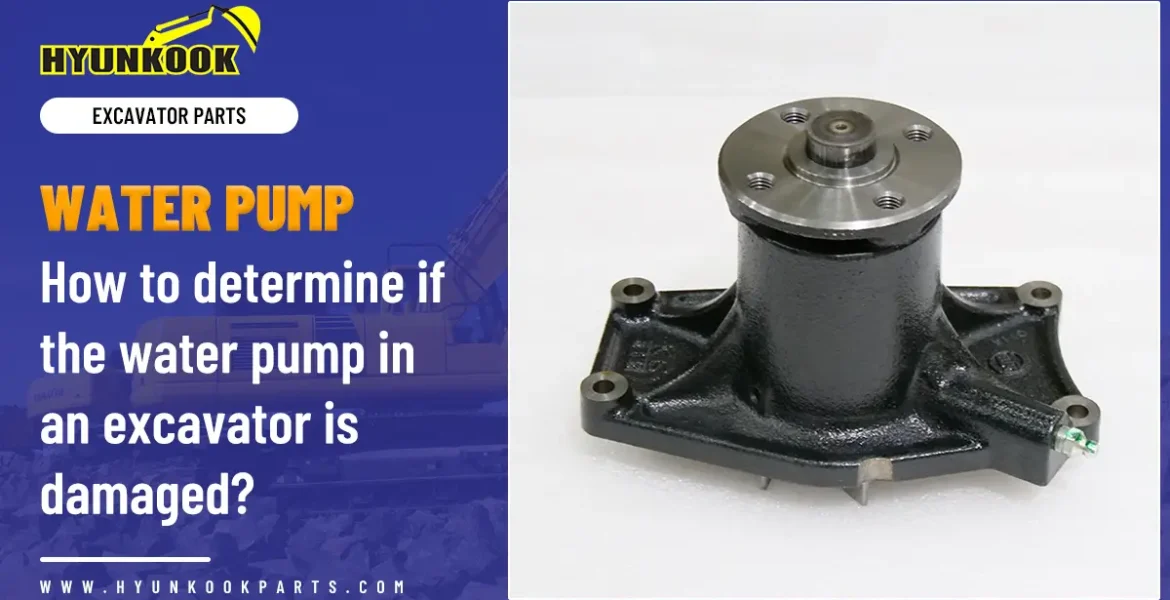
How to determine if the water pump in an excavator is damaged?
The water pump is a critical component of an excavator’s cooling system, responsible for circulating coolant throughout the engine to regulate temperature and prevent overheating. 1. Engine Overheating Engine overheating is one of the most common and obvious signs of a faulty water pump. The water pump’s core function is to keep coolant flowing, so […]

How to determine if excavators engine needs a major overhaul?
The engine is the “heart” of an excavator, and its stable operation directly determines the equipment’s work efficiency, service life, and operational safety. For excavator operators and fleet managers, being able to accurately identify the signs that an engine needs a major overhaul is crucial—it can help avoid sudden breakdowns during construction, reduce maintenance costs, […]