





Excavator’s air conditioning compressor is the heart of the A/C refrigeration system. It compresses and circulates refrigerant, allowing the system to remove heat from the cab. Because excavators often operate in hot, dusty, and high-vibration environments, regular compressor maintenance is essential for reliable cooling performance.
What Is an Air Conditioning Compressor?
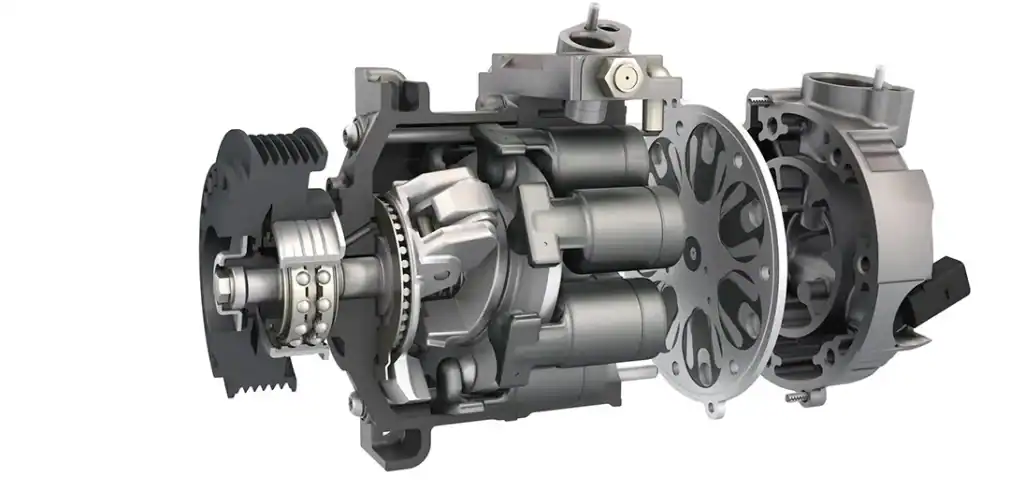
An air conditioning compressor compresses low-pressure refrigerant vapor into high-pressure, high-temperature gas and circulates it through the A/C system.
In most excavators, the compressor is driven by the engine through a belt and pulley. Its condition directly affects the cooling performance of the entire air conditioning system.
How Does an Excavator A/C Compressor Work?
The basic refrigeration cycle is:
Compressor → Condenser → Expansion Valve → Evaporator → Compressor
The compressor raises refrigerant pressure, the condenser releases heat, the expansion valve reduces pressure, and the evaporator absorbs heat from the excavator cab.
If the compressor cannot maintain proper pressure or refrigerant circulation, the A/C system may produce warm air or have poor cooling performance.
7 Common Signs of Air Conditioning Compressor Failure
1. The Air Conditioner Blows Warm Air
Warm air is one of the most common symptoms. Possible causes include compressor failure, low refrigerant, condenser blockage, or electrical problems.
2. Grinding or Screeching Sounds
Abnormal noises may indicate worn bearings, damaged pulleys, insufficient lubrication, belt problems, or internal compressor damage.
3. Frequent Fuse or Circuit Breaker Tripping
Repeated electrical protection trips may indicate compressor overload, a damaged clutch, faulty wiring, relay problems, or a seized compressor.
4. Refrigerant or Oil Leaks
Oil residue around the compressor, hoses, or fittings may indicate a refrigerant/oil leak. Low refrigerant can reduce cooling performance and potentially affect compressor lubrication.
5. Compressor Does Not Start or Hums Continuously
A compressor that does not engage may have problems with the clutch, fuse, relay, wiring, pressure switch, refrigerant level, or the compressor itself.
6. Insufficient Airflow and Poor Heat Dissipation
A dirty condenser, blocked cabin filter, dirty evaporator, or weak condenser fan can restrict airflow and cause poor cooling.
7. Increased Fuel or Energy Consumption
A damaged compressor, excessive system pressure, poor condenser airflow, or increased mechanical resistance can increase engine load and fuel consumption.
How to Maintain an Excavator Air Conditioning Compressor?
1. Inspect the Compressor Regularly
Check the compressor, mounting bolts, pulley, clutch, hoses, and electrical connections for wear, leakage, vibration, or abnormal noise.
2. Check the Compressor Belt
Inspect the belt for cracks, fraying, oil contamination, looseness, or excessive wear. Correct belt tension is important for efficient compressor operation.
3. Keep the Condenser Clean
Dust, mud, and debris can block condenser airflow. Clean the condenser regularly, especially when the excavator operates in dusty environments.
4. Check Refrigerant and Leaks
If the A/C is low on refrigerant, find and repair the leak before recharging the system. Do not repeatedly add refrigerant without identifying the cause.
5. Maintain the Cabin Filter and Evaporator
A dirty filter or evaporator reduces airflow and makes the A/C appear less effective. Clean or replace filters according to operating conditions.
6. Inspect the Electrical System
Check the compressor clutch, fuse, relay, wiring, connectors, and control signals. A compressor that does not start is not necessarily mechanically damaged.
7. Run the A/C Regularly
If an excavator is stored for a long period, periodic A/C operation can help keep the system components working properly. Follow the manufacturer’s recommendations.
8. Replace the Compressor Only After Diagnosis
Do not replace the compressor based on a single symptom. Confirm the actual cause through pressure, electrical, mechanical, and airflow checks.
Conclusion
Proper excavator air conditioning compressor maintenance should focus on the entire air conditioning system, not just the compressor itself. Regular checks, maintaining the correct refrigerant level, cleaning the condenser and filter, maintaining proper belt tension, and early troubleshooting help prevent compressor failure.
When the excavator air conditioning starts blowing warm air, makes unusual noises, leaks refrigerant, or the engine load increases, the system should be diagnosed as soon as possible.
If you have any technical questions or would like to learn more about other products, please feel free to contact us.
FAQs
Q1: Why is my excavator A/C blowing warm air?
Possible causes include low refrigerant, refrigerant leakage, compressor failure, a blocked condenser, weak condenser airflow, a faulty expansion valve, electrical problems, or restricted cabin airflow.
The compressor should not be replaced until the complete system has been diagnosed.
Q2: Can low refrigerant damage an excavator A/C compressor?
Yes. A low refrigerant condition can reduce cooling performance and may affect compressor lubrication depending on the system design. If refrigerant is low, identify and repair the leak rather than repeatedly topping up the system.
Q3: Why does the excavator compressor make a grinding noise?
Grinding may be caused by worn bearings, pulley problems, internal compressor damage, clutch problems, or insufficient lubrication. Stop and inspect the system if the noise is severe or persistent.
Q4: Can I clean the excavator A/C condenser myself?
Basic external cleaning may be possible when permitted by the machine manufacturer, but care is required because condenser fins are easily damaged. For heavily contaminated condensers or systems with refrigerant problems, professional service is recommended.
Q5: Why does the A/C work in the morning but become warm later?
This can occur when the system is marginal under higher ambient temperatures. Common possibilities include low refrigerant, restricted condenser airflow, poor condenser fan performance, or a compressor that is losing efficiency under load.
Q6: Should I replace the compressor immediately if it does not start?
No. First check the fuse, relay, wiring, clutch, pressure switches, refrigerant condition, and control signals. A compressor that does not engage is not automatically a failed compressor.